Source Adjustable Steel Props for Construction Projects
Find 13 listings for Adjustable Steel Props for Construction, featuring galvanized steel supports in various lengths and standards. Compare specifications for mobile scaffolding, guard rails, and internal or external erection positions to select the right props for your building project needs.
Key considerations
Products List




Comprehensive Sourcing Guide
Adjustable Steel Props for Construction Sourcing Guide
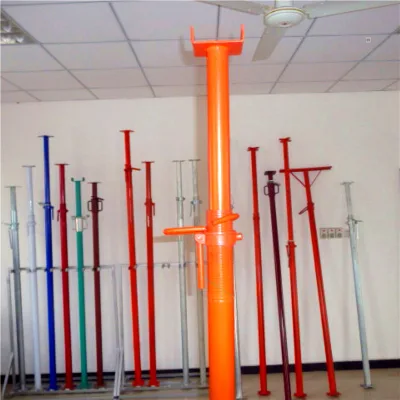
Procuring adjustable steel props, often referred to as acrow props or screw jacks, is a critical component in ensuring structural integrity during the construction phase of buildings. These temporary support systems are designed to bear heavy loads while allowing for precise height adjustments, making them indispensable for slab formwork, beam support, and general shoring applications. Buyers must approach this category with a clear understanding of the mechanical properties, material standards, and safety certifications that define a reliable product. The market offers a wide variety of options, ranging from basic single-row scaffolding components to complex multi-pole systems, each serving specific erection positions and structural styles.
This guide provides a structured approach to sourcing these essential construction elements, focusing on verified product attributes and commercial realities. By examining the observed listing signals, technical specifications, and compliance requirements, procurement professionals can make informed decisions that balance cost-efficiency with safety. The following sections detail the key considerations for evaluating suppliers, verifying product quality, and establishing robust commercial terms, ensuring that the final procurement aligns with project requirements and regulatory standards.
Product Scope and Observed Listing Signals
The current market landscape for adjustable steel props reveals a diverse range of product configurations, primarily centered around steel and metal materials. Listings frequently highlight specific models such as MTM PROP, HH03, HH01, HH04, HH12, HH06, and HH19, indicating a standardized yet varied product line available from manufacturers. These props are often categorized under broader scaffolding types, including combined scaffolding, frame combined scaffolding, and mobile scaffolding, which suggests their versatility in different construction setups. The observed price range of 3-29.99 USD reflects the variability in size, thickness, and customization options, with minimum order quantities typically ranging from 100 to 1000 units, catering to both small-scale projects and large industrial contracts.
Surface treatment and finishing are critical differentiators in this category, with galvanized and painted finishes being the most common observations. Products are often described as having a galvanized surface to enhance corrosion resistance, a vital feature for equipment exposed to harsh construction environments. The structural styles vary from multi-pole scaffolding to doors scaffolding, and the lapping forms include single-row and special-shaped configurations. Buyers should note that while many products are labeled as "steel props," some listings also include related components like guard rails or cartridge guns, indicating that suppliers may offer comprehensive scaffolding solutions rather than isolated props. Understanding these distinctions helps in selecting the right component for specific erection positions, whether internal or external.
Technical Specifications to Verify
When evaluating technical specifications, the dimensions and load-bearing capacity of the steel props are paramount. Observed standard sizes include dimensions such as 4860mm and 4856mm, with lengths ranging from 2000mm to 4000mm, and some listings extending up to 15 meters. The wall thickness is another critical parameter, with observed values ranging from 2mm to 3mm, directly impacting the prop's stability and load capacity. Buyers must verify these dimensions against their project's specific requirements, as even minor deviations can affect the overall safety and efficiency of the formwork system. Additionally, the adjustable nature of these props, often featuring a screw mechanism, allows for fine-tuning of height, which is essential for leveling and supporting uneven surfaces.
The supporting mode and erection position further define the technical suitability of the props. Products are described as supporting in a floor type or projecting manner, and can be erected internally or externally. This versatility is crucial for complex construction projects that require different support strategies. The framework type, whether combined or frame combined, also influences how the props integrate with other scaffolding components. Buyers should request detailed technical drawings and load charts from suppliers to ensure that the selected props meet the specific engineering requirements of their project. Verifying the power source, which is typically manual for these props, and the handle material, often iron, ensures that the equipment is user-friendly and durable in field conditions.
Compliance and Safety Documentation
Compliance with international standards is non-negotiable when sourcing construction support equipment. The observed certifications for these products include ISO, RoHS, and CE, which indicate adherence to quality management, environmental safety, and European conformity standards. Buyers must verify that the supplier can provide valid certificates for each batch or model, as these documents are essential for passing site inspections and regulatory audits. The standards mentioned, such as European and American standards, suggest that the products are designed to meet rigorous safety criteria, but buyers should confirm the specific standard codes applicable to their region and project requirements.
Safety documentation should also include detailed instructions for erection, use, and dismantling, as well as maintenance guidelines to ensure the longevity and reliability of the props. Buyers should inquire about the testing procedures used by the manufacturer, such as load testing and fatigue testing, to validate the product's performance under stress. While specific test results are not always listed, the presence of certifications like ISO implies a systematic approach to quality control. Additionally, buyers should ensure that the products comply with local building codes and safety regulations, which may have additional requirements beyond international standards.
Cost Drivers and Commercial Terms
The cost of adjustable steel props is influenced by several factors, including material costs, manufacturing processes, and customization options. The observed price range of 3-29.99 USD reflects the variability in these factors, with higher prices typically associated with larger sizes, thicker walls, and specialized finishes. Customization, such as specific colors or dimensions, can also impact the cost, as it requires additional production steps. Buyers should request detailed quotations that break down the costs by unit, including any additional fees for customization, packaging, or shipping, to ensure transparency and avoid hidden charges.
Commercial terms, including minimum order quantities and delivery times, are also significant considerations. The observed MOQ range of 100-1000 units suggests that suppliers are flexible, catering to both small and large orders. Delivery times typically range from 10 to 20 days, which buyers should factor into their project schedules. It is advisable to negotiate clear terms regarding payment methods, warranty policies, and return procedures, especially for customized orders. Buyers should also consider the total cost of ownership, including maintenance and replacement costs, when evaluating the overall value of the procurement.
Supplier Qualification and Quality Control
Supplier qualification is a critical step in ensuring the reliability and quality of the sourced products. Buyers should verify the supplier's manufacturing capabilities, including their production capacity, quality control processes, and experience in the construction equipment industry. The observed origin of the products, China, indicates a major manufacturing hub for these items, but buyers should conduct due diligence to ensure that the supplier meets international quality standards. Requesting factory audits or third-party inspections can provide valuable insights into the supplier's operations and product quality.
Quality control measures should be clearly defined in the procurement contract, including inspection criteria, sampling methods, and acceptance standards. Buyers should specify the required certifications and documentation, and ensure that the supplier has a robust system for tracking and tracing products. Regular communication with the supplier during the production process can help identify and address any potential issues early on. Additionally, buyers should establish a clear process for handling defects or non-conforming products, including return policies and compensation mechanisms, to mitigate risks associated with procurement.
Long-Term Procurement Checks
Long-term procurement success depends on establishing a sustainable relationship with suppliers and continuously monitoring product performance. Buyers should implement a system for tracking the performance of the steel props in the field, including feedback from construction teams and maintenance records. This data can be used to evaluate the durability and reliability of the products, and to identify any recurring issues that need to be addressed with the supplier. Regular reviews of supplier performance, including delivery times, product quality, and customer service, can help maintain high standards and drive continuous improvement.
As construction technologies and standards evolve, buyers should stay informed about new developments in the adjustable steel props market. This includes updates to safety regulations, new materials, and innovative designs that may offer improved performance or cost savings. Engaging with industry associations and attending trade shows can provide valuable insights and networking opportunities. By maintaining a proactive approach to procurement, buyers can ensure that their projects are supported by high-quality, reliable, and compliant construction equipment, ultimately contributing to the success and safety of their construction endeavors.
FAQs
What materials are used for adjustable steel props?
These props are constructed from steel and metal with iron handles. The surface treatment includes galvanizing and printing to ensure durability. Custom colors are available to meet specific project requirements.
Can I customize the specifications of these scaffolding props?
Yes, customization is available for these steel props. You can select from various models like MTM PROP or HH series with lengths ranging from 2 to 15 meters. Thickness options typically fall between 2mm and 3mm.
Which certifications do these construction props hold?
The products hold ISO, RoHS, and CE certifications. They comply with European and American standards for safety and quality. This ensures they meet international requirements for building projects and scaffolding applications.
How long is the delivery time for these steel props?
The standard delivery time ranges from 10 to 20 days. Some specific orders may require 15 to 20 days for completion. This timeline applies to shipments originating from China to international destinations.
What is the minimum order quantity for these props?
The minimum order quantity ranges from 100 to 1000 units depending on the supplier. Pricing varies between 3 and 29.99 USD per unit. Bulk or container packing options are available for larger orders.
How are these scaffolding props packed for shipment?
Packing methods include tray and bandage packing or bulk container shipping. This ensures the steel props remain secure during transit. The packaging is designed to protect the galvanized finish and structural integrity.